What Eastern Ontario Homeowners Must Legally Disclose About Rat Infestations

Disclose any known pest infestations to potential buyers in writing before accepting an offer. Under Ontario’s common law principle of caveat emptor, sellers must reveal material latent defects—problems not visible during a standard inspection that significantly affect property value or safety. A rat infested house qualifies as such a defect, requiring explicit disclosure even if the infestation appears resolved.
Document all pest control measures taken, including professional inspection reports, treatment dates, and remediation costs. This documentation protects you from future liability claims and demonstrates good faith efforts to address the problem. Retain invoices from licensed pest control operators and any structural repairs completed to eliminate entry points or damage.
Hire a certified pest management professional to conduct a thorough inspection before listing your property. Their independent assessment provides credible evidence of current conditions and helps you determine whether active infestations exist or if previous treatments successfully eliminated the problem.
Include pest disclosure information in your Seller Property Information Statement, the standard form used across Ontario real estate transactions. While not legally mandatory in all private sales, completing this form honestly creates a clear record of what you knew and when you knew it, reducing potential litigation risks.
Failure to disclose known infestations can result in lawsuits for fraudulent misrepresentation, rescission of sale, or financial damages covering pest remediation and consequential losses.
Understanding Ontario’s Pest Disclosure Requirements

What the Law Actually Says
In Ontario, there is no specific statute exclusively dedicated to pest disclosure during home sales. However, sellers must navigate several legal frameworks that create clear obligations. The primary legal foundation stems from common law principles requiring sellers to disclose latent defects—hidden problems that buyers cannot reasonably discover through standard inspections and that materially affect the property’s value or use.
Under the Real Estate and Business Brokers Act and regulations from the Real Estate Council of Ontario (RECO), real estate professionals must ensure accurate representation of property conditions. While Ontario legal requirements don’t mandate a specific pest disclosure form, the principle of “buyer beware” has significant limitations when sellers possess knowledge of infestations.
Patent defects—visible issues a buyer could identify during viewing—generally don’t require disclosure. However, pest infestations typically qualify as latent defects because evidence often hides within walls, attics, or crawl spaces. If sellers know about rats, mice, or other pests, they must disclose this information regardless of whether current activity exists.
The distinction matters greatly: failing to disclose known pest problems can lead to legal action for fraudulent misrepresentation or breach of contract. Courts have consistently ruled that sellers cannot remain silent about conditions they’re aware of, even if directly asked. This obligation extends to past infestations if evidence suggests ongoing vulnerability or structural damage requiring remediation—a sustainability consideration that affects long-term property integrity and community health standards.
When Rat Infestations Must Be Disclosed
Understanding when rat infestations require disclosure protects both sellers and buyers in Eastern Ontario real estate transactions. Ontario law mandates disclosure of material defects that could affect a property’s value or desirability, and rat infestations typically fall into this category.
Active infestations always require disclosure. If rats are currently present, leaving droppings, causing damage, or nesting in your home, you must inform potential buyers. This includes situations where you’ve noticed recent signs like gnaw marks, grease trails along walls, or hearing movement in walls or ceilings. Even if you’ve just begun treatment, the active nature of the problem makes it a material fact.
Past infestations present a more nuanced situation. If you successfully resolved a rat problem through professional extermination and remediation, disclosure remains advisable. The key question is whether the infestation caused lasting damage to electrical systems, insulation, structural components, or created health hazards. If remediation was incomplete or damage persists, disclosure becomes mandatory.
Severity thresholds matter considerably. A single rat sighting that was immediately addressed differs significantly from a chronic infestation affecting multiple areas. Consider the scope of damage, whether the problem was isolated or widespread, and if conditions that attracted rats—such as structural gaps or sanitation issues—have been permanently corrected.
From a sustainability perspective, transparent disclosure allows new homeowners to implement proper prevention measures, protecting both the property and broader community health. When uncertain about disclosure obligations, consulting a real estate lawyer familiar with Eastern Ontario regulations ensures compliance while respecting the concerns of all parties involved.
The Consequences of Non-Disclosure
Legal Liability and Buyer Recourse
When sellers fail to disclose known pest infestations, buyers in Eastern Ontario have several legal remedies available to protect their interests and seek compensation for damages incurred.
Buyers who discover undisclosed pest problems after closing may pursue civil litigation against the seller for fraudulent misrepresentation or breach of contract. Successful claims can result in substantial financial awards covering the cost of pest remediation, structural repairs, and diminished property value. In severe cases where the infestation renders the property uninhabitable or fundamentally different from what was represented, courts may grant rescission—effectively unwinding the transaction and requiring the seller to refund the purchase price.
The burden of proof rests with buyers to demonstrate that sellers knew about the pest issue and intentionally concealed it. Documented evidence such as previous pest control invoices, neighbour testimony, or inspection reports strengthens these claims considerably. Time limitations apply, so buyers should consult legal counsel promptly upon discovery.
Real estate agents who fail in their disclosure duties may also face liability through professional negligence claims and potential disciplinary action from their regulatory body. This multi-layered accountability system encourages transparency throughout the transaction process.
For Eastern Ontario’s diverse communities, understanding these protections ensures fair housing practices that respect both cultural expectations of honest dealing and sustainable homeownership principles. Legal recourse serves not merely as punishment but as a mechanism promoting accountability and protecting families from unexpected financial hardship.
Real Estate Agent Responsibilities
Real estate agents in Eastern Ontario carry significant professional responsibilities when handling properties with pest issues. Listing agents must work closely with sellers to ensure complete and accurate disclosure of any known infestations, including rats, termites, or other vermin. This obligation extends beyond simply providing disclosure forms—agents should actively discuss potential pest concerns and document these conversations thoroughly.
Professional liability becomes a critical consideration when agents represent sellers with pest problems. If an agent knowingly withholds information about an infestation or fails to advise sellers properly on disclosure requirements, they risk disciplinary action from the Real Estate Council of Ontario and potential legal claims from buyers. This accountability reflects the broader community expectation that real estate professionals serve as trustworthy guides through complex transactions.
Agents should recommend professional pest inspections when warning signs appear, such as droppings, gnaw marks, or unusual odors. They also play a vital role in helping sellers understand that honest disclosure, while potentially affecting sale price, protects all parties and maintains market integrity. For properties in rural areas where wildlife encounters are more common, agents must help distinguish between occasional animal visits and genuine infestations requiring disclosure.
The most effective approach combines transparent communication, proper documentation, and collaboration with pest control professionals to ensure compliance with legal standards while supporting sustainable homeownership practices across Eastern Ontario’s diverse communities.
How to Properly Disclose Rat Problems
Documentation You’ll Need
When selling your Eastern Ontario home, maintaining clear documentation of any pest issues demonstrates transparency and protects you legally. Start by gathering all pest control service reports that detail the nature of the infestation, treatment methods used, and follow-up visits. These records should include dates, specific products applied, and any warranties provided by licensed pest management professionals.
Keep copies of all invoices related to pest remediation work, including structural repairs, insulation replacement, or sanitation improvements made to address the underlying problem. Photographs documenting the extent of damage before and after treatment provide visual evidence of the issue’s scope and your remediation efforts.
Professional home inspection reports mentioning pest activity should be retained, as they offer third-party verification. If you obtained a pest-free clearance certificate after treatment, this document carries significant weight with potential buyers and their representatives.
Store correspondence with pest control companies, including treatment plans and recommendations for ongoing prevention. For properties in rural or agricultural areas of Eastern Ontario, documentation showing preventive measures taken around barns, outbuildings, or grain storage facilities adds valuable context.
This comprehensive documentation package supports honest disclosure conversations and demonstrates your commitment to responsible homeownership, ultimately building trust with prospective buyers while satisfying your legal obligations under Ontario’s real estate laws.
Working with Your Real Estate Professional
Transparent communication with your real estate professional forms the foundation of legally compliant pest disclosure. When you discover rodent activity or past infestations, inform your agent immediately with specific details about the nature, location, and timeline of the problem. Share documentation such as pest control invoices, inspection reports, and photographs that demonstrate both the issue and remediation efforts undertaken.
Your agent serves as a crucial partner in crafting accurate disclosure forms and listing descriptions that fulfill legal requirements while presenting your property fairly. Work collaboratively to determine appropriate language that honestly conveys pest history without creating unnecessary alarm. Experienced agents familiar with Eastern Ontario’s diverse housing stock, from heritage homes in Kingston to rural properties in Renfrew County, understand regional pest patterns and can provide context-specific guidance.
Request that your agent consult their brokerage’s legal resources or recommend qualified real estate lawyers if disclosure questions arise. Professional agents prioritize ethical practices that protect both sellers and buyers, recognizing that thorough disclosure reduces liability and builds trust. This collaborative approach respects community standards while supporting sustainable homeownership practices across the region. By maintaining open dialogue throughout the listing process, you ensure compliance with provincial regulations while demonstrating the accountability Eastern Ontario residents value.
Addressing the Problem Before Listing
Professional Pest Control Solutions
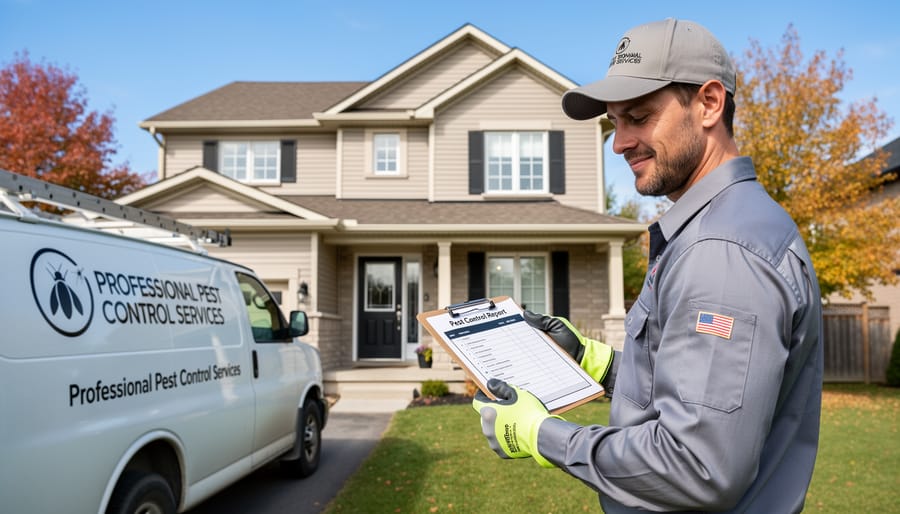
When addressing pest infestations before a home sale, working with licensed pest control operators is essential for both legal compliance and effective remediation. Eastern Ontario homeowners have access to numerous local professionals certified through the Ministry of the Environment, Conservation and Parks who specialize in rodent control and integrated pest management approaches.
Professional remediation typically follows a multi-stage process. Initial inspection and assessment usually occur within 48 hours of contact, with treatment plans customized to the infestation’s severity and property characteristics. Most rat infestations require 4-6 weeks for complete elimination, including multiple service visits for bait station monitoring, entry point sealing, and sanitation guidance.
Effective remediation goes beyond simply eliminating visible pests. Licensed operators provide comprehensive solutions including exclusion work to seal entry points, removal of contaminated insulation when necessary, and environmental modifications to prevent re-infestation. Documentation throughout this process becomes crucial for disclosure purposes, as prospective buyers and their legal representatives will want evidence of professional intervention.
Sustainable pest management practices are increasingly common, with many operators emphasizing non-toxic methods where appropriate and proper disposal of affected materials. Homeowners should request detailed service reports, warranties on exclusion work, and follow-up inspection schedules to demonstrate thorough remediation to potential buyers.
Home Repairs and Prevention Measures
Addressing structural vulnerabilities is essential for both pest prevention and fulfilling disclosure obligations when selling Eastern Ontario homes. The region’s older housing stock, particularly century homes and properties built before modern building codes, often contains gaps around foundations, deteriorating mortar, and unsealed utility entry points that provide rodent access.
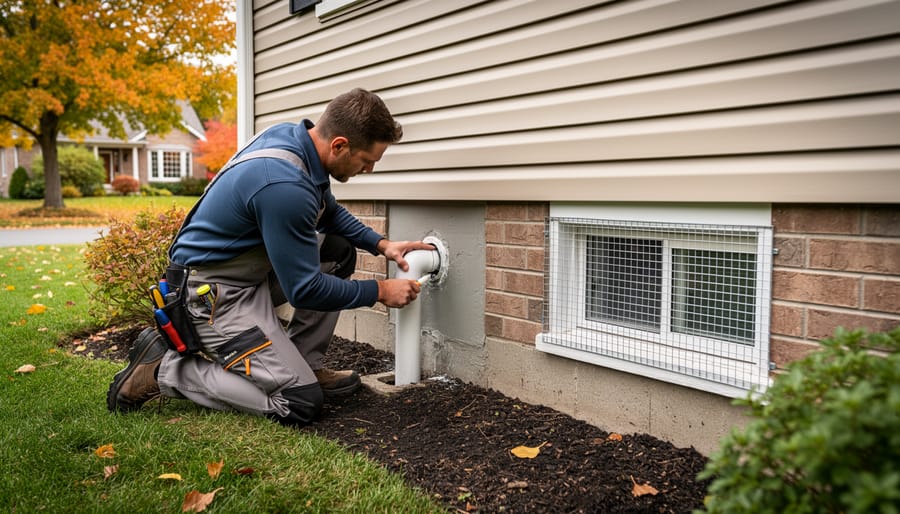
Effective repairs begin with a thorough exterior inspection. Seal foundation cracks using hydraulic cement or foam sealant appropriate for Eastern Ontario’s freeze-thaw cycles. Install metal mesh or hardware cloth over ventilation openings, ensuring adequate airflow while blocking entry. Pay particular attention to where pipes, cables, and drainspouts enter the structure, as these commonly overlooked areas create pathways for rodents.
Interior modifications should address food sources and nesting opportunities. Repair leaking pipes promptly, as moisture attracts pests and damages building materials. Install door sweeps on exterior doors and weather stripping around windows. In crawl spaces and attics, remove stored materials that provide nesting sites and ensure proper ventilation to reduce humidity.
Sustainable prevention aligns with Eastern Ontario’s environmental values. Consider installing motion-activated lighting around property perimeters and maintaining landscaping at least one meter from foundations. Store firewood elevated and away from structures. These modifications not only deter rodents but also enhance property value and demonstrate responsible stewardship to potential buyers, strengthening your position during disclosure conversations.
Impact on Property Value and Sale Timeline
A disclosed rat problem will undeniably affect both your property’s value and the timeline for completing a sale in Eastern Ontario. Understanding these impacts helps sellers set realistic expectations and develop effective strategies.
Price adjustments typically range from 5 to 15 percent below comparable properties, depending on the severity and current status of the infestation. A resolved issue with documented professional remediation will have less impact than an ongoing problem. Buyers and their agents will factor in potential future costs, even when current infestations have been addressed. The regional housing market conditions also play a role—in competitive markets with limited inventory, disclosed pest issues may have less dramatic effects on pricing.
Sale timelines commonly extend by 30 to 90 days when pest problems are disclosed upfront. Properties typically attract fewer initial showings, and serious buyers will request comprehensive pest inspection reports before making offers. This additional scrutiny is actually beneficial, as it reduces the risk of deals falling through during the conditional period.
Transparent disclosure paired with documented remediation creates negotiation opportunities. Sellers who provide detailed records of professional pest control services, structural repairs, and preventative measures installed demonstrate accountability and often maintain stronger negotiating positions. Some sellers successfully offer pest control warranties or repair credits as part of the sale agreement.
From a sustainability perspective, addressing pest problems comprehensively benefits the broader community by preventing infestations from spreading to neighboring properties. Eastern Ontario’s diverse neighborhoods, from urban centers to rural communities, each face unique pest pressures. Being forthright about these challenges, while demonstrating responsible remediation, reflects the community accountability that strengthens our regional housing values long-term.
Regional Considerations for Eastern Ontario Sellers
Selling a home in Eastern Ontario presents unique pest disclosure considerations that vary significantly across the region’s diverse landscape. Understanding these local factors helps sellers navigate their legal obligations while building trust with potential buyers.
The distinction between rural and urban properties matters considerably. Rural properties, particularly century homes and farmhouses common throughout the region, often contend with field mice, carpenter ants, and wildlife intrusions that reflect their agricultural surroundings. Urban properties in cities like Ottawa, Kingston, and Cornwall typically face different challenges, including Norway rats in older neighborhoods and bed bugs in multi-unit dwellings. Sellers must recognize that disclosure expectations differ based on property type and location context.
Eastern Ontario communities feature substantial older housing stock, with many homes predating modern building codes. These heritage properties may have structural vulnerabilities that make pest issues more prevalent, including unfinished basements, fieldstone foundations, and aging infrastructure. Sellers of older homes should conduct thorough inspections, as buyers increasingly expect transparency about pest histories in properties built before 1960.
Seasonal considerations also impact disclosure practices. Spring thaw often reveals winter rodent activity in attics and wall cavities, while fall typically brings increased insect activity as pests seek shelter. Timing your sale around these seasonal patterns affects inspection findings and buyer perceptions.
Cultural diversity within the region means sellers should communicate clearly and accessibly about pest issues, ensuring all parties understand disclosure obligations regardless of background. This approach supports sustainable homeownership practices while respecting the varied experiences of Eastern Ontario’s multicultural population. Transparency about regional pest patterns ultimately protects both sellers and buyers while maintaining community housing standards.
Navigating pest disclosure obligations when selling your Eastern Ontario home requires a commitment to transparency that protects both buyers and sellers while strengthening community trust. Whether you’re dealing with active rat infestations or past remediation efforts, understanding your legal responsibilities under Ontario’s disclosure framework ensures you can proceed with confidence and integrity.
Proper disclosure is more than a legal requirement—it’s an ethical practice that supports sustainable real estate markets across our diverse region. By openly communicating pest issues, providing documentation of professional inspections and treatments, and working with experienced real estate professionals familiar with Eastern Ontario’s unique housing stock, you contribute to a marketplace built on honesty and accountability.
Remember that each municipality may have specific bylaws affecting your obligations, making professional guidance invaluable. Licensed home inspectors, real estate lawyers, and pest control specialists can help you navigate disclosure requirements while protecting your interests. This collaborative approach not only minimizes legal risks but also demonstrates respect for future homeowners and the broader community.
Ultimately, transparent pest disclosure practices reflect our shared values of integrity and sustainability, ensuring Eastern Ontario’s real estate market remains fair, trustworthy, and resilient for generations to come.